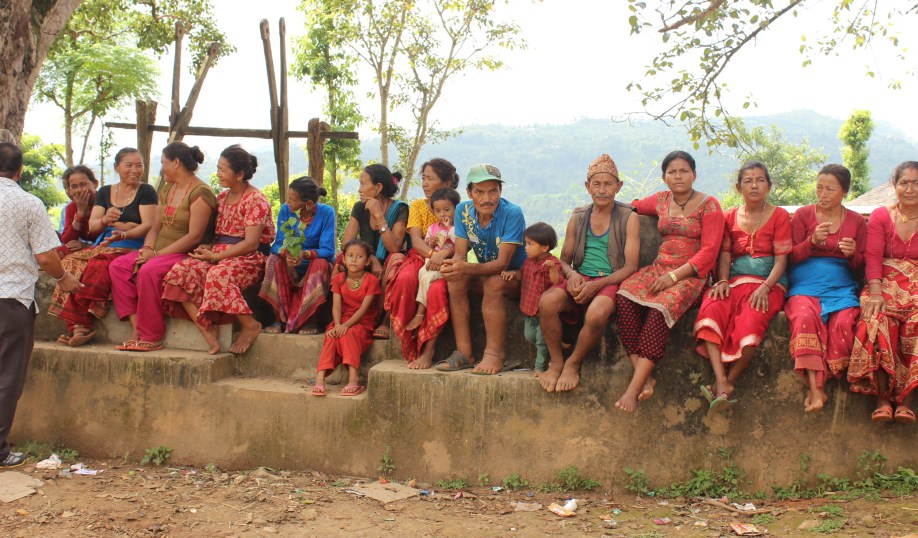
1. Work for an NGO in your own country
The UN loves to hire people who’ve cut their teeth working for NGOs in their own countries. NGOs are often not as well-resourced as the UN and their staff are not as well paid. So if someone’s worked for an NGO, there’s a good chance they’re a hard worker, have held a role with a relatively high level of responsibility, and they’re in it for the love, not the money. They’ll also have worked on similar issues such as poverty reduction, crisis response, human rights, water and sanitation or sustainable development. And these organizations are built around similar categories of staff to the UN – specialists in programme delivery, communications, advocacy, fundraising, reporting, partnerships and more. I know people who’ve moved from NGOs in the UK or Australia, to work for the UN in New York or in countries like Bangladesh. You might want to start with some of the globally-recognised NGOs such as Plan International, Save the Children or Amnesty International.
2. Work for an NGO in a developing country
This will push you beyond your comfort zone and give you more credibility as a potential UN employee. Every UN job application I’ve submitted has asked if the candidate has experience working ‘in the field’. But more importantly, you’ll meet and work with people actually affected by natural disasters, poverty, human rights abuses and more. You’ll learn from them directly: What do they need to improve their daily lives? What do they think is the solution to their situation? What do they hope for, for themselves and their children? When I was researching how to make my own career change from politics, into aid or development work, plenty of people advised me to move overseas and start by working for an NGO. It’s why I packed up and moved to Jerusalem (even though I ended up finding work with UNRWA, the United Nations Relief and Works Agency for Palestine Refugees.)
3. Apply for a position as a United Nations JPO (Junior Professional Officer)
Junior Professional Officers generally come from countries that donate to the UN (rather than developing countries where the UN is working.) Not every donor country participates in the JPO programme, so if you’re interested, check the list here. The roles are half funded by the UN, half by your own country. The age limit can vary by country, but applicants generally have to be under the age of 32 when they apply. By the time I found out about JPOs, I was already too old – and then realized Australia wasn’t participating in the programme that year, anyway. Don’t let the word ‘junior’ deceive you – JPOs often end up in great roles, and use these positions to launch successful UN careers. A French friend of mine just spent his two years as a JPO working for the United Nations Development Programme in New York, helping to coordinate emergency responses in countries hit by disasters, including the [NEED EXAMPLES FROM THIERRY].
4. Work as a consultant
This can also be a great way to get your foot in the door with the UN, but go in with your eyes open because these working conditions can bring some challenges. The UN frequently advertises consultancies for short-term projects such as evaluating how well a program worked, producing a report, or giving expert advice on a specific topic, such as managing migration. As the main UN website states, a consultant should be a ‘recognised authority’ or ‘specialist’ in a field, engaged in an ‘advisory’ or ‘consultative’ capacity. However, as it also states, the assignment ‘may involve full-time or part-time functions similar to those of staff members’. And this is where the lines can get a bit blurred. Consultants can find themselves working for up to four years in roles that are less advisory and more like those held by people on more stable contracts. But be aware that as a consultant, you won’t get any of the same benefits (no health insurance; no paid annual holiday leave; no language training; no rental subsidy; no relocation assistance, and more.) You can apply for the general UN consultants roster here and if successful, your CV could be considered for relevant jobs. You could also apply directly for a specific consultancy advertised through the main UN jobs site, or through a UN agency’s job site.
5. Join an emergency roster, to respond to crises on short notice
It can be tough to fly out to another country with only a day or two’s notice, to help respond to an emergency, like an earthquake. Not everyone can leave their lives behind so suddenly. But the UN needs to send teams of experts to hotspots, when there’s an urgent humanitarian need. This is why most UN agencies keep a list, or a ‘roster’, of people who are available to be sent on short notice, to help respond to these high-profile emergencies. It helps them to quickly identify people with expertise in logistics, public health, human rights, communications, advocacy and more, who can be on a plane within days. As with suggestion 2 above, nothing can make you a more effective, compassionate and informed UN employee than being on the front line in these emergencies. To join an emergency roster, you’ll need to look at the websites of individual agencies. You could start with UNICEF, UNDP and UNHCR.
6. Work for your foreign service
I know fewer people who’ve stepped into a role with the UN this way, but it’s not uncommon. If you’ve worked for your government’s foreign service, for example USAID or DFID, you should understand diplomacy, international relations, multilateral organizations and other areas – all of which would be extremely useful in many UN roles. You may have had more direct exposure to the UN already, for example, you may work on joint launches, roundtables or other events with UN agencies; or you may oversee joint funding programmes between your government and the UN. In developing countries, expat networks are very small; you’ll mix professionally and socially with people working for UN agencies, and you may hear about other interesting job opportunities that way.
7. Apply for a general roster
8. Apply through the normal job ads
 Hit the iron bell